Ambient Temperature and Location Factors Affecting Industrial Ice Machine Performance
The performance of Industrial Ice Machines depends on more than just machine capacity and compressor power. Environmental conditions such as ambient temperature, humidity, altitude, ventilation, and installation location play a major role in determining production efficiency, energy consumption, and long-term reliability.
Whether used in food processing plants, fishing operations, supermarkets, or hospitality businesses, industrial ice machines must operate under varying climate conditions. Improper installation environments can reduce ice output, increase operating costs, and shorten equipment lifespan.
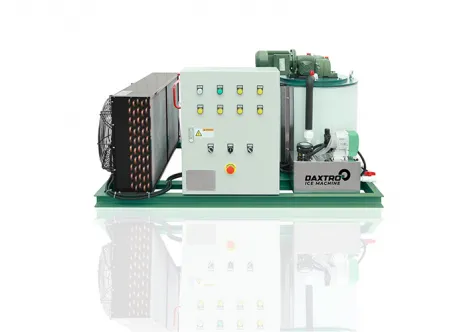
Daxtro specializes in high-performance industrial ice solutions designed to operate efficiently in different environmental conditions. This article explains how ambient temperature and location factors affect industrial ice machine performance and what businesses should consider before installation.
Why Environmental Conditions Matter
Industrial ice production relies on heat exchange and refrigeration cycles. Environmental conditions directly affect how efficiently the machine can remove heat and freeze water into ice.
Poor environmental conditions may lead to:
· Reduced ice production capacity
· Higher electricity consumption
· Compressor overload
· Increased maintenance requirements
· Shortened equipment lifespan
Understanding location-related factors helps businesses maximize the efficiency of Industrial Ice Machines.
How Ambient Temperature Affects Ice Machine Performance
Ambient temperature is one of the most important factors influencing ice production efficiency.
High Ambient Temperature Challenges
When surrounding air temperature increases, the refrigeration system must work harder to remove heat.
Common Problems in Hot Environments
· Slower ice production cycles
· Increased compressor workload
· Higher energy consumption
· Reduced ice output capacity
For example, a machine rated under standard laboratory conditions may produce significantly less ice in extremely hot climates.
Impact on Operating Costs
Higher temperatures increase electricity demand because compressors run longer and more frequently.
Daxtro designs Industrial Ice Machines with efficient cooling systems to maintain stable performance even in demanding environments.
Low Ambient Temperature Considerations
Cold environments may improve cooling efficiency but can also create operational challenges.
Potential Issues
· Water supply freezing
· Sensor inaccuracies
· Ice sticking problems
· Reduced water flow
In cold climates, proper insulation and temperature control systems are essential.
Importance of Ventilation Around Ice Machines
Ventilation directly affects heat dissipation efficiency.
Why Proper Airflow Matters
Air-cooled industrial ice machines rely on surrounding air to remove heat from the condenser.
Poor Ventilation Can Cause
· Overheating
· Compressor strain
· Reduced ice production
· Higher energy consumption
Machines installed in enclosed or poorly ventilated spaces often experience lower operational efficiency.
Recommended Ventilation Practices
· Maintain adequate clearance around the machine
· Avoid blocking air intake and exhaust areas
· Install ventilation systems in confined spaces
Proper airflow improves the long-term reliability of Industrial Ice Machines.
Humidity and Moisture Effects
Humidity levels also influence machine operation.
High Humidity Challenges
Excessive humidity can increase condensation inside the system.
Potential Problems
· Corrosion of metal components
· Electrical system damage
· Reduced insulation performance
· Mold or bacterial growth
High-humidity environments require corrosion-resistant materials and proper drainage systems.
Coastal and Marine Environment Considerations
Industrial ice machines installed near oceans or on fishing vessels face additional environmental stress.
Salt Air Corrosion
Salt in coastal air accelerates corrosion on metal surfaces.
Vulnerable Components
· Condensers
· Steel frames
· Fasteners and fittings
· Electrical connections
Recommended Solutions
· Stainless steel construction
· Anti-corrosion coatings
· Marine-grade materials
Daxtro Industrial Ice Machines designed for marine environments use corrosion-resistant engineering to improve durability.
Altitude and Air Pressure Factors
High-altitude locations may also affect refrigeration performance.
How Altitude Impacts Cooling Efficiency
At higher elevations, thinner air reduces heat exchange efficiency.
Possible Effects
· Lower cooling performance
· Increased compressor workload
· Reduced production capacity
Machines operating in mountainous regions may require adjusted system configurations for optimal performance.
Indoor vs Outdoor Installation
Installation location significantly affects environmental exposure.
Indoor Installation Advantages
Indoor installations usually provide:
· Better temperature control
· Reduced weather exposure
· Lower corrosion risk
· Improved operational stability
Indoor Considerations
Even indoors, ventilation and humidity control remain important.
Outdoor Installation Challenges
Outdoor installations expose machines to:
· Direct sunlight
· Rain and moisture
· Dust and debris
· Extreme temperature fluctuations
Protective structures and weather-resistant materials help improve machine lifespan in outdoor environments.
Water Temperature and Its Influence
Ambient conditions also affect incoming water temperature.
Why Water Temperature Matters
Warmer water requires more energy and time to freeze.
Effects of High Water Temperature
· Slower ice production
· Higher electricity consumption
· Increased refrigeration load
Maintaining stable water supply conditions improves the efficiency of Industrial Ice Machines.
Seasonal Performance Variations
Many businesses experience seasonal changes in machine performance.
Summer Challenges
During hot seasons:
· Ice demand often increases
· Cooling efficiency decreases
· Energy consumption rises
Winter Considerations
Cold seasons may improve cooling but increase freezing risks in plumbing systems.
Planning for seasonal variation helps maintain stable production year-round.
Importance of Proper Site Selection
Selecting the right installation location is critical for long-term operational success.
Factors to Evaluate Before InstallationSpace Availability
Adequate room is needed for airflow and maintenance access.
Environmental Exposure
Avoid areas exposed to excessive heat, dust, or moisture.
Drainage Conditions
Proper drainage prevents water accumulation and hygiene problems.
Professional site planning helps maximize the performance of Industrial Ice Machines.
Maintenance Needs in Different Environments
Environmental conditions directly influence maintenance frequency.
High-Temperature Areas
Require more frequent condenser cleaning and airflow inspection.
Coastal Regions
Need regular corrosion checks and protective maintenance.
Dusty Industrial Locations
Require filter cleaning and debris removal to maintain cooling efficiency.
Routine maintenance is essential for stable long-term operation.
Why Choose Daxtro Industrial Ice Machines?
Daxtro develops industrial ice systems engineered for reliable operation across diverse climates and installation environments.
Key advantages include:
· High-efficiency refrigeration systems
· Corrosion-resistant materials
· Optimized airflow design
· Stable operation under varying temperatures
· Durable industrial-grade construction
Their solutions help businesses maintain consistent ice production while reducing operational risks and maintenance costs.
Conclusion
Ambient temperature, humidity, ventilation, altitude, and installation location all have a major impact on industrial ice machine performance. High temperatures increase energy consumption, poor ventilation reduces cooling efficiency, and coastal environments accelerate corrosion risks.
Understanding environmental conditions before installation helps businesses select the right Industrial Ice Machines and optimize long-term efficiency. With advanced engineering and climate-adapted designs, Daxtro provides reliable industrial ice solutions built for stable performance in demanding environments worldwide.