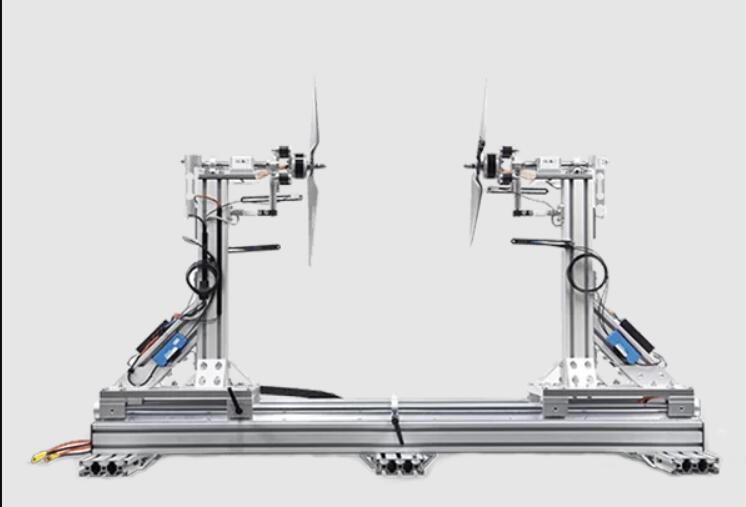
Analysis and Optimization of Coaxial Propeller-Driven Drones
Coaxial propeller-driven drones represent a fascinating and innovative approach to drone technology. These drones feature a unique design where two propellers are mounted on the same axis, rotating in opposite directions. This configuration offers several benefits over traditional single-propeller systems, making them an increasingly popular choice for various applications.
Understanding Coaxial Propeller Systems
Coaxial propeller systems involve two propellers on a single axis, spinning in opposite directions. This setup can counteract torque and provide better stability and control. Unlike traditional drones with multiple single propellers, coaxial drones achieve lift and thrust more efficiently, leading to enhanced performance.
Advantages of Coaxial Propeller-Driven Drones
Improved Efficiency: Coaxial propellers reduce the loss of energy that occurs in single-propeller systems, leading to better fuel or battery efficiency.
Enhanced Stability: The counter-rotating propellers cancel out each other’s torque, resulting in a more stable flight, especially in windy conditions.
Increased Payload Capacity: With greater efficiency and stability, coaxial drones can carry heavier loads, making them suitable for applications that require significant payloads.
Challenges in Coaxial Propeller Systems
Despite their advantages, coaxial propeller systems come with their own set of challenges.
Technical Complexities: The design and synchronization of coaxial propellers are more complex than traditional systems.
Aerodynamic Issues: Properly managing the aerodynamic interactions between the two propellers is critical to maintaining efficiency.
Noise and Vibration Concerns: Coaxial systems can generate more noise and vibrations, which need to be mitigated for smoother operation.
Key Components of Coaxial Propeller Drones
Motors: High-performance motors are essential for driving the propellers efficiently.
Propellers: The design and material of the propellers play a crucial role in the drone’s performance.
Control Systems: Advanced control systems are needed to manage the synchronization and operation of the coaxial propellers.
Aerodynamics of Coaxial Propellers
Understanding the aerodynamics of coaxial propellers is key to optimizing their performance. The flow dynamics between the upper and lower propellers must be carefully managed to minimize drag and maximize lift.
Optimization Strategies
Blade Design Improvements: Optimizing the shape and material of the propeller blades can significantly enhance performance.
Motor Synchronization: Ensuring precise synchronization of the motors can reduce energy loss and improve efficiency.
Weight Reduction Techniques: Using lightweight materials and components can help improve the overall efficiency and performance of the drone.
Applications of Coaxial Propeller Drones
Military Uses: Coaxial drones are used in surveillance, reconnaissance, and combat operations due to their stability and payload capacity.
Commercial Applications: Industries such as agriculture, delivery services, and photography benefit from the enhanced capabilities of coaxial drones.
Recreational Uses: Hobbyists and drone enthusiasts appreciate the improved performance and control offered by coaxial propeller systems.
Future Trends in Coaxial Propeller Drones
Technological Advancements: Ongoing research and development are expected to bring further improvements in efficiency, control, and design.
Market Growth Predictions: The demand for advanced drone technology is likely to drive the growth of the coaxial propeller drone market.
Comparative Analysis
Coaxial vs. Traditional Propeller Drones: A comparative analysis highlights the superior efficiency and stability of coaxial drones, although they can be more complex and expensive to manufacture.
Cost-Benefit Analysis: Despite higher initial costs, the long-term benefits of coaxial drones often outweigh the drawbacks.
Environmental Impact
Noise Pollution: Efforts are being made to reduce the noise generated by coaxial propellers to minimize their environmental impact.
Energy Consumption: Coaxial drones generally have better energy efficiency, which can lead to lower overall energy consumption.
Conclusion
Coaxial propeller-driven drones offer significant advantages in terms of efficiency, stability, and payload capacity. Despite their challenges, ongoing optimization efforts and technological advancements are making them an increasingly viable option for a wide range of applications. As the market continues to grow, the future of coaxial propeller drones looks promising.