Can Automation Improve Accuracy?
Can Automation Improve Accuracy?Benefits of Using Full-Automatic IHC&ISH Stainers
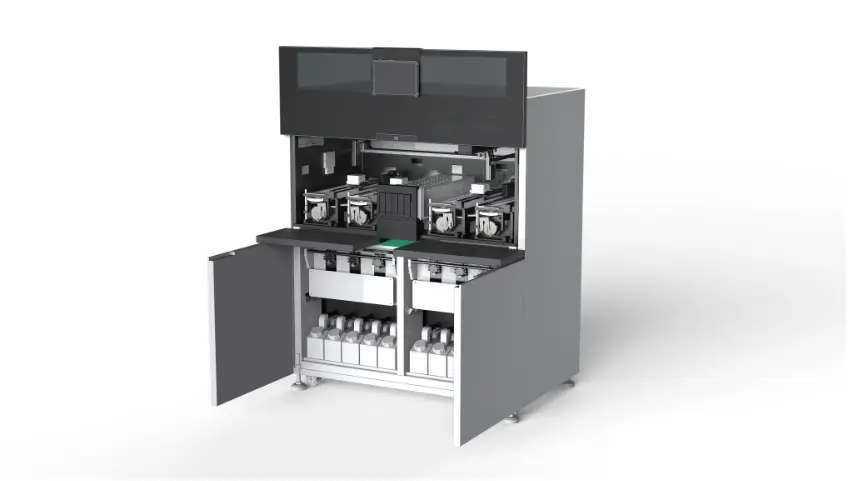
Automation in immunohistochemistry (IHC) has dramatically improved both the accuracy and efficiency of staining processes. The use of full-automatic IHC&ISH stainers, like the CNT360 model, ensures standardized procedures that minimize variability inherent in manual techniques. One significant benefit is the reduction of systemic errors that can occur due to differences in technician skill or methodology. By employing precise temperature, timing, and reagent dispensing mechanisms, automated systems can achieve optimal staining results consistently across multiple samples, thereby enhancing overall diagnostic reliability.
Furthermore, automated stainers are engineered to handle high throughput, which significantly reduces the time required for staining tissue samples. This efficiency not only streamlines laboratory workflows but also allows for the timely delivery of test results to clinicians, thereby expediting patient care. This capability is particularly beneficial for research laboratories involved in high-volume testing, as it supports ongoing projects without compromising quality.
Reducing Human Error with Automated Systems
Human error is an unavoidable aspect of manual IHC staining that can introduce variations in results. Using full-automatic IHC&ISH stainers mitigates this risk by eliminating subjective phases of the staining protocol. Automation systems are programmed to execute procedures with precision, thereby ensuring that every slide is treated equally according to established protocols.
Moreover, automated stainers often include built-in quality control features that continuously monitor the staining process. These features can alert technicians to potential issues, such as reagent depletion or equipment malfunction, before they affect the final results. This proactive approach not only ensures that the staining process is executed flawlessly but also promotes a culture of accountability and adherence to best practices within laboratories.
How to Ensure Quality Control in IHC Testing?Importance of Calibration and Maintenance
Calibrating and maintaining IHC stainers are crucial steps that safeguard the accuracy of test results. Regular calibration ensures that the temperature, timing, and reagent delivery align with the manufacturer’s specifications. Failure to properly calibrate the instruments may lead to inconsistent staining, thereby compromising diagnostic integrity.
Moreover, maintenance entails routine inspections and adjustments. This may include cleaning components that interact with staining reagents, checking for leaks, and replacing worn-out parts. Adequate maintenance schedules help sustain equipment functionality and prolong the lifespan of IHC stainers. By fostering an environment that emphasizes precision and upkeep, laboratories are better equipped to deliver quality results continuously.
Standardize Protocols for Reliable Results
To achieve reliable IHC results, standardizing staining protocols across laboratories is imperative. Protocol standardization includes defining clear step-by-step procedures for each staining run, ensuring that all personnel are trained and adhere to these guidelines. Defined protocols not only streamline the workflow but also minimize inter-run variability, which can arise from differences in handling or reagent application.
Additionally, establishing routine reviews of staining protocols can help incorporate new technologies and practices as they emerge. Maintaining open communication within the team supports a culture of continuous improvement, allowing for rapid identification and rectification of potential issues that could impact staining quality. This proactive approach fosters confidence in results and enhances overall clinical decision-making based on IHC testing.
Solutions to Common Issues in IHC TestingTroubleshooting Weak or Nonspecific Stains
Weak or nonspecific staining can undermine the quality and interpretability of IHC tests. This issue commonly arises due to inadequate antibody concentration or improper fixation techniques that may alter protein availability. To troubleshoot such instances, it is vital to reevaluate the choice of antibodies, ensuring that the selected primary and secondary antibodies exhibit optimal specificity for the target antigens.
Furthermore, adjusting fixation protocols can enhance the availability of antigens for binding. For instance, employing the recommended fixatives verified through clinical practices can significantly improve staining outcomes. Implementing a systematic approach to troubleshooting — including evaluation of both the reagents and methods employed — allows laboratories to address staining issues effectively and ensure consistent, reliable results.
Managing Variability in Sample Quality
Sample quality is a significant factor that must be managed to maintain accurate IHC results. Variability can stem from factors such as the method of tissue collection, fixation timing, and the quality of embedded samples. To mitigate these challenges, establishing stringent protocols for sample handling is essential. This includes guidelines for prompt fixation to preserve antigenicity and reduce degradation.
Incorporating appropriate pre-analytical controls can also detect the potential for sample variability early in the staining process. Techniques such as using standard reference controls can serve as benchmarks, allowing for the detection of outliers and reinforcing confidence in test results. By focusing on managing sample quality through rigorous control processes, laboratories can enhance the predictive value of IHC tests, contributing to improved patient care and outcome predictions.
Solutions offered by Celnovte, such as comprehensive reagent kits and automated staining options, can equip laboratories with the tools needed to enhance accuracy and reduce variability in IHC testing. For more information on effective solutions, you can explore the Celnovte Solution Center.