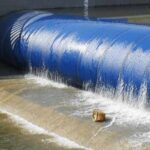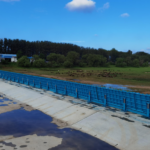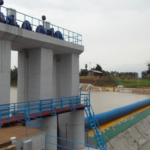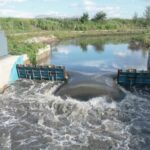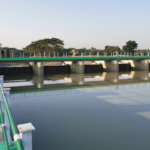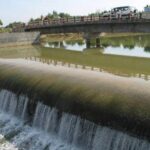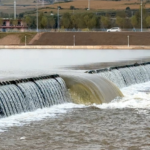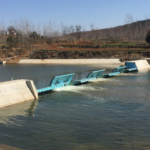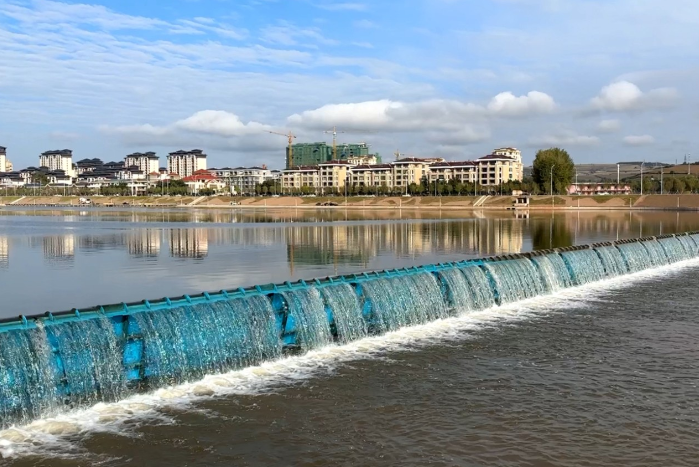
Dams and spillways
Dams and spillways are essential structures in modern engineering, playing crucial roles in water management, energy production, and flood control. Understanding their functions helps us appreciate their significance in our daily lives and the environment.
Understanding Dams
A dam is a barrier built across a river or stream to hold back water, creating a reservoir. There are various types of dams, including gravity, arch, and earthfill dams, each designed for specific geological and hydrological conditions. Historically, dams have been vital for agriculture, providing irrigation, and supporting settlements.
Primary Functions of Dams
Water Storage
Dams serve primarily as reservoirs, storing water for various uses, such as drinking, irrigation, and industrial processes. This storage is crucial in areas prone to drought.
Flood Control
By controlling river flow, dams help mitigate the risk of flooding, protecting communities downstream during heavy rainfall.
Hydro Power Generation
Many dams are equipped with hydroelectric power plants that convert the stored water’s potential energy into electricity, providing a renewable energy source.
Recreational Purposes
Dams also create opportunities for recreation, such as fishing, boating, and tourism, benefiting local economies.