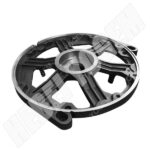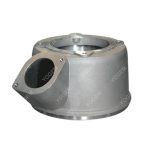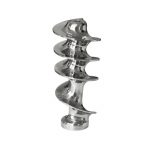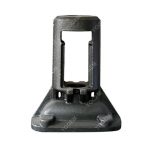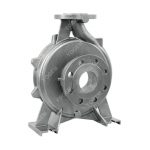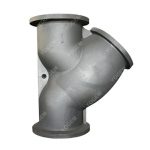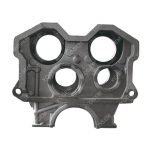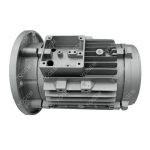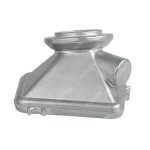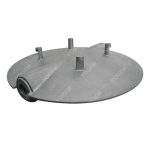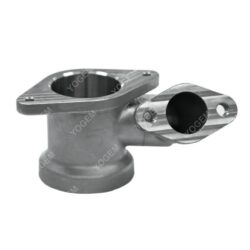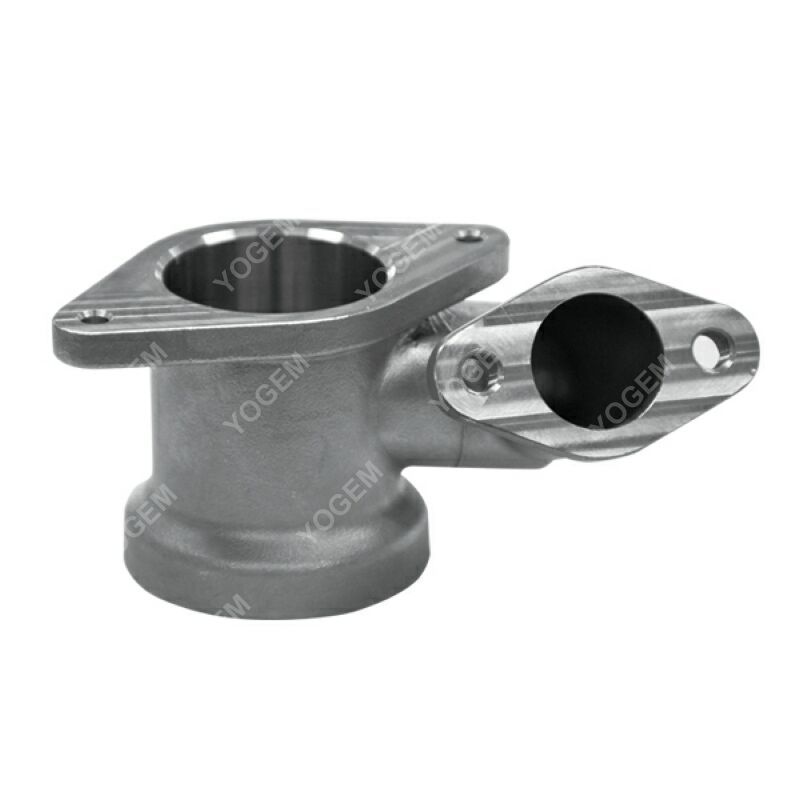
Exhaust Pipe Casting
The investment casting process begins with a precise model (pattern) of the end product. For centuries this pattern has been made out of wax, however currently there are a variety of materials that are used. The model is then covered with a ceramic slurry which hardens to create a mold. The original model is then dissolved (for example, wax is melted and drained), and molten metal is inserted in its place. Once cooled and the mold removed (divested), you are left with the finished piece.
In practice, modern Investment Casting is a more sophisticated process that involves many more steps than described above. Sometimes it requires multiple model components, various modeling materials, etc., and like die casting, when done well, the resulting surface quality is excellent.
Advantages of Stainless Steel Exhaust Pipe Casting
Corrosion Resistance: Stainless steel offers excellent resistance to corrosion, ensuring longevity and durability in automotive exhaust systems exposed to harsh conditions.
High Temperature Resistance: Able to withstand high temperatures without deformation or degradation, maintaining structural integrity.
Design Flexibility: Casting allows for complex geometries and integrated features within the exhaust pipe, optimizing performance and efficiency.
Cost Efficiency: Suitable for medium to high-volume production, reducing per-unit costs compared to other fabrication methods.
Environmental Benefits: Stainless steel is recyclable and contributes to sustainability efforts in automotive manufacturing.
If you have any question on Stainless Steel Precision Casting, Ss Investment Casting. We will give the professional answers to your questions.