How Diesel Nozzle Injectors Affect Engine Efficiency
Diesel engines are known for their durability, fuel efficiency, and ability to generate high torque. These qualities make them widely used in trucks, agricultural equipment, construction machinery, and industrial engines. One of the most important components responsible for efficient diesel engine performance is the injector nozzle. This small but highly precise component controls how diesel fuel enters the combustion chamber.
For mechanics, fleet managers, and vehicle owners searching for a diesel nozzle injector, understanding how these components influence engine efficiency is essential. The injector nozzle determines how fuel is sprayed inside the cylinder, which directly affects combustion quality, power output, and fuel consumption.
This article explains how diesel nozzle injectors work, why they are important for engine performance, and how proper maintenance helps maintain efficient operation.
Understanding Diesel Nozzle Injectors
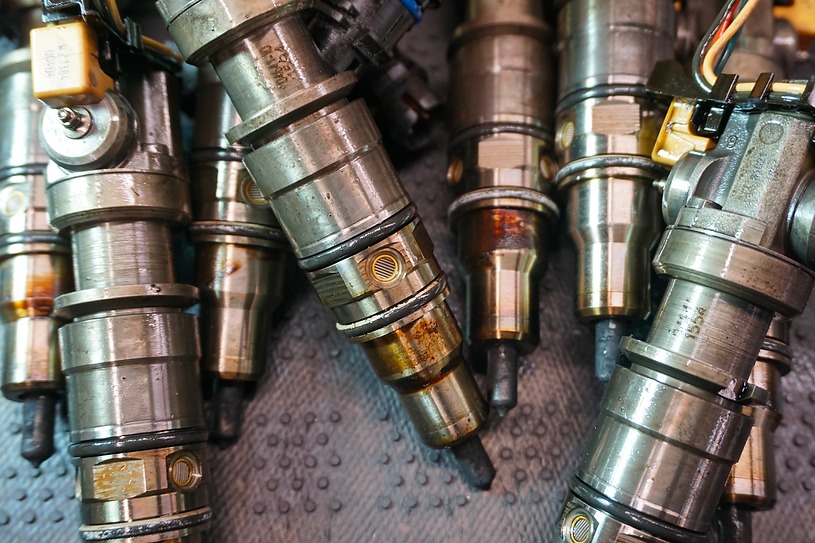
A diesel nozzle injector is the part of the fuel injection system responsible for atomizing diesel fuel into fine droplets before it enters the combustion chamber. The nozzle sits at the end of the fuel injector and contains extremely small openings through which fuel is sprayed under high pressure.
In a diesel engine, combustion occurs when diesel fuel mixes with highly compressed air inside the cylinder. Because diesel engines do not rely on spark plugs for ignition, the quality of fuel atomization becomes very important.
The injector nozzle must deliver fuel in a precise spray pattern that allows the droplets to mix evenly with air. When the mixture is balanced, the fuel burns more completely, producing efficient combustion and stable engine performance.
The Role of Injector Nozzles in Combustion
Injector nozzles play a central role in controlling how fuel is delivered into the engine. Several characteristics of the nozzle influence combustion efficiency.
Fuel atomizationSpray pattern distributionInjection timingFuel quantity control
These factors determine how effectively diesel fuel mixes with air inside the combustion chamber. When the spray pattern is correct and atomization is consistent, the fuel burns more completely. This improves power generation while reducing wasted fuel.
Poor nozzle performance, on the other hand, can disrupt this balance and lead to inefficient combustion.
Importance of Proper Fuel Atomization
Fuel atomization refers to the process of breaking diesel fuel into extremely small droplets. Smaller droplets provide a larger surface area that allows fuel to mix more easily with air.
When fuel is properly atomized, it burns more evenly and releases energy efficiently. This results in improved engine performance and lower fuel consumption.
If atomization is poor, fuel droplets may remain too large. These larger droplets do not burn completely and can leave behind carbon deposits inside the engine.
Incomplete combustion caused by poor atomization may lead to increased smoke emissions and reduced engine efficiency.
Spray Pattern and Engine Performance
The spray pattern produced by the injector nozzle determines how fuel spreads inside the combustion chamber. A properly designed spray pattern distributes fuel evenly throughout the compressed air.
Even distribution helps ensure that combustion occurs uniformly across the cylinder. This balanced combustion improves engine smoothness and maximizes power output.
An incorrect spray pattern can cause fuel to concentrate in certain areas of the combustion chamber. This uneven distribution may create hot spots or areas where fuel remains unburned.
Over time, poor spray patterns can contribute to carbon buildup, piston damage, or reduced engine efficiency.
High Pressure Injection Systems
Modern diesel engines often use high pressure fuel injection systems. These systems force fuel through injector nozzles at extremely high pressures to achieve better atomization.
High pressure injection helps produce finer fuel droplets and more accurate spray patterns. This leads to improved combustion efficiency and reduced emissions.
Common rail fuel injection systems are widely used in modern diesel engines. In these systems, a high pressure rail supplies fuel to electronically controlled injectors that deliver precise amounts of fuel through the nozzle.
The injector nozzle must be engineered to handle these high pressures while maintaining consistent performance.
Signs of Worn or Damaged Injector Nozzles
Over time injector nozzles may wear out or become clogged due to fuel deposits. Recognizing the warning signs of nozzle problems can help prevent larger engine issues.
Reduced Engine Power
When injector nozzles fail to deliver the correct spray pattern, combustion becomes less efficient. This may cause the engine to lose power or struggle under heavy loads.
Increased Fuel Consumption
Poor fuel atomization often results in incomplete combustion. The engine may require more fuel to maintain performance, which leads to higher fuel usage.
Excessive Exhaust Smoke
One of the most common signs of nozzle problems is increased exhaust smoke. Black smoke often indicates incomplete combustion caused by improper fuel atomization.
Rough Engine Operation
Uneven fuel distribution between cylinders can cause irregular combustion cycles. This may lead to engine vibration, rough idling, or unstable engine speed.
Hard Engine Starting
If injector nozzles become clogged or worn, they may fail to deliver fuel properly during engine startup. This can make the engine difficult to start, especially in cold conditions.
Factors That Affect Nozzle Performance
Several factors influence the performance and lifespan of diesel injector nozzles. Understanding these factors can help vehicle owners maintain efficient fuel systems.
Fuel Quality
Fuel quality has a major impact on nozzle performance. Contaminated or low quality diesel fuel may contain particles or impurities that clog nozzle openings.
Using clean fuel and maintaining fuel filters helps protect the injection system.
Carbon Deposits
Over time small carbon deposits can form inside injector nozzles. These deposits may partially block the nozzle openings and disrupt the spray pattern.
Regular maintenance and proper fuel combustion help minimize carbon buildup.
Engine Operating Conditions
Engines that operate under heavy loads or extreme temperatures may place additional stress on injector nozzles. Continuous high pressure operation can gradually wear down nozzle components.
Routine inspections can help identify early signs of wear.
Fuel System Maintenance
Proper maintenance of the fuel system plays an important role in protecting injector nozzles. Replacing fuel filters and maintaining clean fuel lines reduces the risk of contamination.
Consistent maintenance helps ensure that injector nozzles continue to operate efficiently.
Maintaining Efficient Injector Nozzles
Maintaining injector nozzle efficiency requires a combination of good fuel quality and regular engine maintenance. Diesel fuel filters should be replaced according to manufacturer recommendations to prevent debris from entering the injection system.
Using high quality diesel fuel reduces the likelihood of deposits forming inside the nozzle openings. Some fuel additives may also help clean injector components and maintain proper spray patterns.
Regular engine diagnostics can also identify injection problems before they affect overall performance. Monitoring engine behavior such as power output, exhaust smoke, and fuel consumption helps detect nozzle issues early.
Keeping the injection system clean and properly maintained supports efficient combustion and long term engine reliability.
Frequently Asked QuestionsWhat does a diesel nozzle injector do?
A diesel nozzle injector sprays diesel fuel into the engine’s combustion chamber in a fine mist. This atomized fuel mixes with compressed air and ignites to produce engine power.
How do injector nozzles affect fuel efficiency?
Injector nozzles control how fuel is distributed inside the combustion chamber. Proper atomization and spray patterns allow fuel to burn more completely, improving fuel efficiency.
Can diesel injector nozzles be cleaned?
Yes. In some cases injector nozzles can be cleaned using specialized equipment or fuel system cleaners. However, severely worn or damaged nozzles may need replacement.
What causes injector nozzles to wear out?
Common causes include contaminated fuel, carbon deposits, high operating pressure, and normal mechanical wear over time.
How often should diesel injector nozzles be replaced?
Replacement intervals vary depending on engine type and operating conditions. Many injector nozzles last for thousands of hours of operation when the fuel system is properly maintained.