How Long Does Ivermectin Take to Work? A Complete Patient Guide
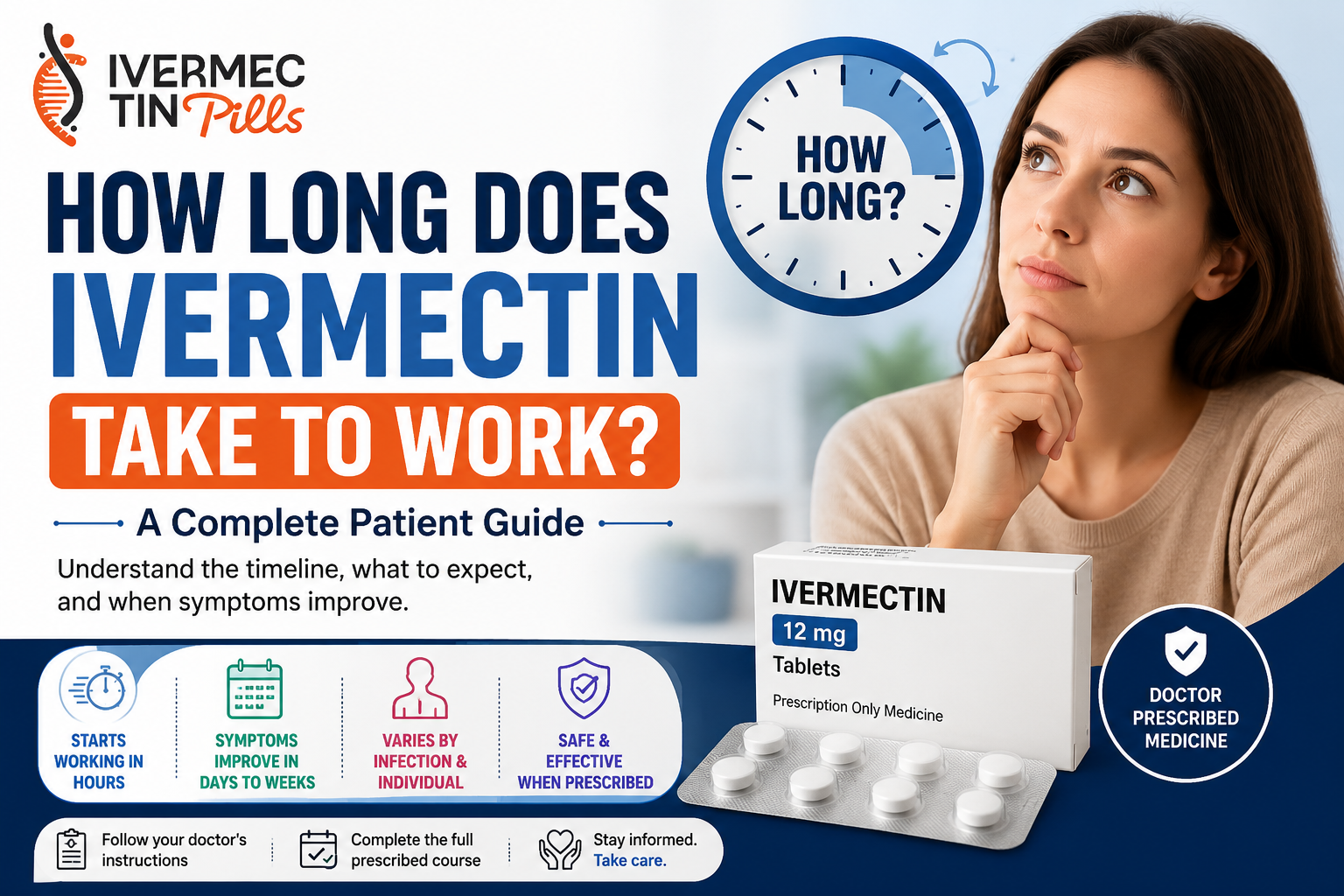
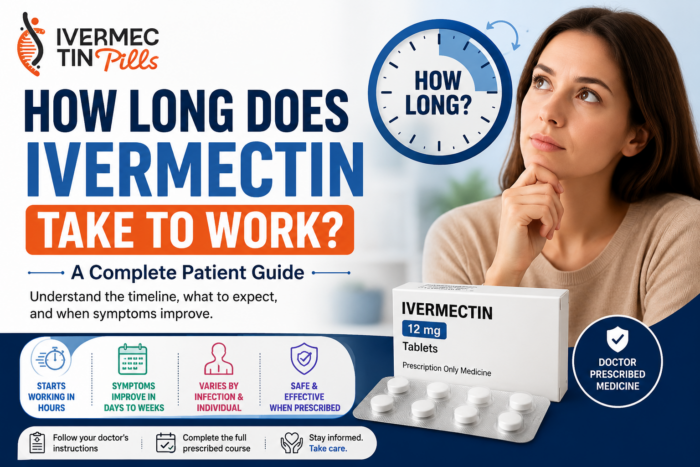
If you’ve recently been prescribed ivermectin, it’s natural to wonder how long ivermectin takes to work and when you might start feeling better. The answer depends on the condition being treated, the severity of the infection, your overall health, and whether more than one dose is required.
While ivermectin begins acting against susceptible parasites shortly after it is absorbed into the bloodstream, symptom relief is often gradual rather than immediate. For some people, improvement may begin within a few days, while for others—especially those with skin-related conditions like scabies—it may take several weeks before symptoms fully resolve.
This guide explains how ivermectin works, expected recovery timelines, factors that affect treatment, and practical tips to help you understand what to expect during recovery.
What Is Ivermectin?
Ivermectin is a prescription medication that belongs to a group of medicines known as antiparasitic agents. Healthcare providers prescribe it to treat specific parasitic infections when appropriate.
Depending on the diagnosis, ivermectin may be prescribed for conditions such as:
- Strongyloidiasis
- Onchocerciasis (river blindness)
- Certain cases of scabies
- Other parasitic infections as determined by a healthcare professional
The medication works by interfering with the nervous system of susceptible parasites, eventually leading to their paralysis and death. The body’s immune system then helps eliminate the dead parasites over time.
How Quickly Does Ivermectin Begin Working?
After taking an oral ivermectin tablet:
- The medication is absorbed through the digestive system.
- Blood concentrations generally peak within 4 to 5 hours.
- The medicine begins acting against susceptible parasites shortly afterward.
Although ivermectin starts working internally within hours, most people do not notice immediate symptom improvement because the body still needs time to clear the parasites and repair damaged tissues.
How Long Does It Take to Feel Better?
Recovery depends on the infection being treated.
Intestinal Parasitic Infections
Many patients begin noticing improvement within several days after treatment. Digestive symptoms often improve gradually as the infection resolves.
Scabies
Scabies recovery usually takes longer than many people expect.
Typical timeline:
- Mites begin dying soon after treatment.
- Itching may continue for 2 to 4 weeks.
- Skin irritation slowly improves.
- Existing rashes gradually heal.
Persistent itching after treatment is common and does not necessarily mean the medication failed.
Onchocerciasis
People treated for river blindness often experience gradual improvement rather than immediate relief. Repeat treatments may be required based on medical recommendations.
Why Symptoms Don’t Disappear Immediately
One of the most common misconceptions about ivermectin is that symptoms should disappear the same day.
In reality, several factors influence recovery:
- Dead parasites remain temporarily in the body.
- The immune system continues responding.
- Inflamed skin or tissues require time to heal.
- Existing irritation gradually decreases.
Even after the parasites have been eliminated, healing may continue for several weeks.
Factors That Affect Recovery Time1. Type of Infection
Different parasites respond differently to treatment. Some infections improve rapidly, while others require longer recovery periods.
2. Severity of Infection
People with heavier parasite burdens often need more time before symptoms improve because the body must clear a larger number of parasites.
3. Overall Health
Recovery varies depending on:
- Age
- Immune function
- Nutritional status
- Existing medical conditions
- Liver function
4. Correct Dosage
Taking ivermectin exactly as prescribed is essential.
Avoid:
- Missing doses
- Taking extra doses
- Changing your treatment schedule without medical advice
5. Additional Treatment
Some infections require:
- Repeat doses
- Laboratory testing
- Follow-up appointments
- Additional medications
Your healthcare provider will determine whether further treatment is necessary.
Timeline After Taking Ivermectin
Time After DoseWhat Typically Happens
4–5 Hours Medication reaches peak levels in the bloodstream.
24 Hours The medicine continues acting against susceptible parasites.
Several Days Many patients begin noticing gradual symptom improvement.
2–4 Weeks Skin symptoms such as itching from scabies may gradually resolve.
Follow-Up Visit Your healthcare provider may recommend testing or additional treatment if needed.
Tips to Support Recovery
Although ivermectin does the work of treating susceptible parasites, healthy habits can support your recovery.
Helpful tips include:
- Take the medication exactly as prescribed.
- Complete your treatment plan.
- Attend follow-up appointments.
- Practice good hygiene.
- Wash clothing and bedding if instructed for scabies treatment.
- Drink plenty of fluids unless advised otherwise.
- Inform your healthcare provider about any new or worsening symptoms.
Common Myths About IvermectinMyth: It Works Instantly
Fact: Ivermectin begins working within hours, but symptom improvement usually takes several days or weeks depending on the condition.
Myth: Persistent Itching Means Treatment Failed
Fact: After successful scabies treatment, itching often continues for weeks while the skin heals.
Myth: One Dose Always Solves the Problem
Fact: Some infections require repeat treatment, follow-up testing, or additional care.
When Should You Contact Your Healthcare Provider?
Speak with your healthcare provider if:
- Symptoms become worse.
- Symptoms return after improving.
- New symptoms develop.
- You experience severe side effects.
- You think you may have been re-exposed to the infection.
Never increase your dose without professional medical advice.
Frequently Asked QuestionsHow long does ivermectin take to work?
The medication begins acting within hours after absorption, but noticeable symptom improvement usually occurs over several days or weeks depending on the infection.
Why am I still itching after taking ivermectin?
For scabies, itching can continue for 2–4 weeks because the body’s immune system is reacting to dead mites and healing skin.
Can I take another dose if I don’t feel better?
Only if your healthcare provider instructs you to do so.
Does ivermectin cure every parasite with one dose?
No. Some infections require repeat treatment or additional medical care.
Can symptoms come back?
Yes. Reinfection or incomplete treatment can cause symptoms to return. Your healthcare provider can determine the cause and recommend the appropriate next steps.
Final Thoughts
Understanding how long ivermectin takes to work can help set realistic expectations during treatment. While the medication starts acting soon after it is absorbed, the time it takes to notice improvement depends on the type of infection, the severity of the illness, and your body’s natural healing process.
Following your healthcare provider’s instructions, completing the prescribed treatment, and attending recommended follow-up appointments are essential steps toward successful recovery. If symptoms persist or worsen, seek medical advice rather than adjusting your medication on your own.