How Mold Wear Blocks Extend Mold Life
Understanding the Purpose of Mold Wear Blocks
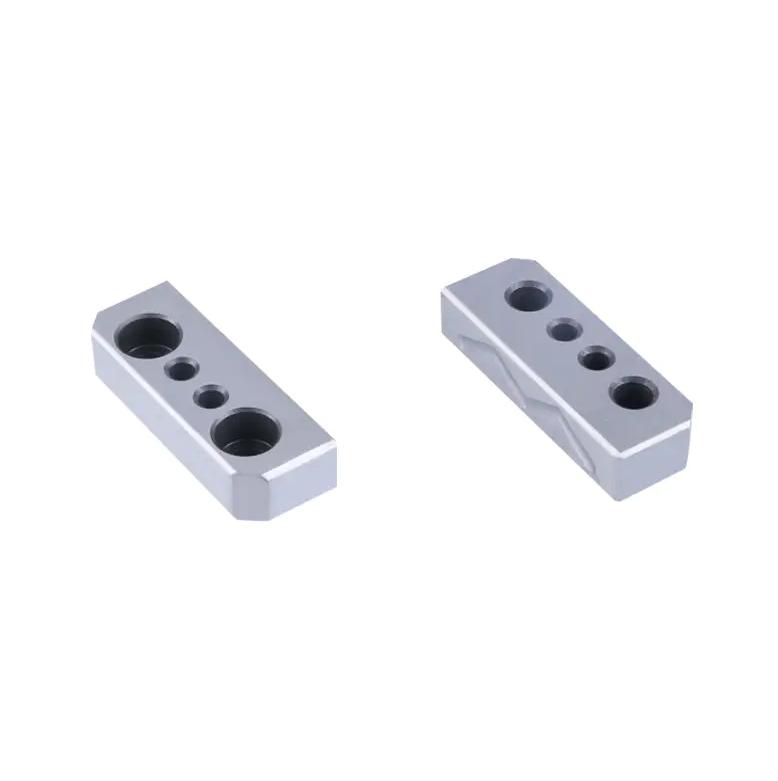
A Mold Wear Block is a key protective component designed to reduce friction, absorb pressure, and prevent damage inside injection molds, die-casting molds, and stamping tools. It acts as a buffer between sliding or contacting mold parts. By protecting the main mold structure from direct wear, a Mold Wear Block helps maintain stability and ensures long-term production efficiency.
Reducing Friction in High-Pressure Operations
During molding cycles, components frequently slide, push, or collide under high pressure. Without proper protection, core components can deform or wear quickly. A Mold Wear Block absorbs much of this stress by offering a smoother, harder surface in areas with high friction. This greatly reduces mechanical wear and helps preserve the precision of the mold over thousands of cycles.
Protecting Key Mold Components
Critical mold parts such as guide rails, core inserts, moving plates, and positioning elements are expensive to repair or replace. A Mold Wear Block serves as a sacrificial layer that takes the wear instead of the core mold. When it eventually wears out, only the block needs to be replaced—saving time, cost, and minimizing production downtime.
Improving Mold Accuracy and Stability
Molds rely on precise alignment to ensure consistent product quality. Wear in the wrong areas can cause misalignment, flash, or deformation of molded parts. By stabilizing these high-stress zones, a Mold Wear Block maintains accuracy throughout the mold’s working life. This ensures smoother operation and reduces the risk of defects in the final products.


