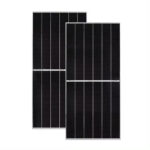
Monocrystalline Solar Panel
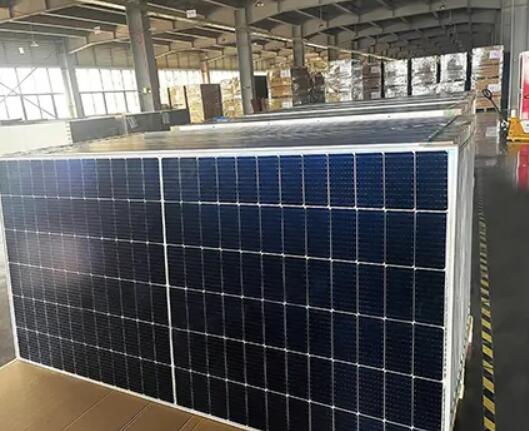
Monocrystalline solar panels are widely recognized for their high efficiency and reliability in converting sunlight into electricity. Understanding how these panels work involves delving into the science of photovoltaic cells and the technology behind their manufacturing. This article explores the working principles of monocrystalline solar panels and their role in generating solar power.
The Photovoltaic Effect
The core principle behind the operation of monocrystalline solar panels is the photovoltaic effect. This effect occurs when light energy is converted into electrical energy within the solar cells. Here’s how it works:
- Absorption of Light: When sunlight strikes the surface of the monocrystalline solar panel, the silicon cells absorb photons (light particles).
- Electron Excitation: The energy from the absorbed photons excites electrons in the silicon atoms, causing them to break free from their atomic bonds.
- Electric Field Creation: The structure of the silicon cells includes a built-in electric field, created by doping the silicon with small amounts of other elements (typically phosphorus and boron). This electric field causes the free electrons to move in a specific direction.
- Generation of Electric Current: As the free electrons move towards the positive side of the cell, they create an electric current. This current is captured by metal contacts on the surface of the cell and can be directed through an external circuit to power electrical devices.
Efficiency Factors
Several factors influence the efficiency of monocrystalline solar panels:
- Purity of Silicon: The high purity of silicon in monocrystalline cells allows for more efficient electron flow, resulting in higher energy conversion rates.
- Cell Design: Advanced cell designs, such as passivated emitter and rear cell (PERC) technology, can further enhance efficiency by reducing electron recombination losses.
- Light Absorption: Anti-reflective coatings on the cell surface help maximize light absorption, increasing the amount of energy converted into electricity.
- Temperature Performance: Monocrystalline panels generally perform better in high-temperature conditions compared to other types of panels, maintaining higher efficiency levels.