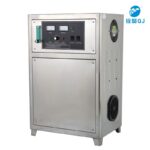
Ozone Generator for Agriculture
Ozonated water used in irrigation delivers oxygen directly to the plant roots, helping eliminate viruses, bacteria, fungi, algae, spores, and other microorganisms. This process enhances rapid and consistent growth, resulting in healthier plants and increased productivity.
Ozone generators are used in agricultural irrigation systems to enhance plant health, control pathogens, improve water quality, and support sustainable agricultural practices.
Ozone enhances the respiratory process at the cellular level and is widely recognized for its germicidal properties against various microorganisms, including fungi, bacteria, and viruses. It effectively combats bacteria such as Pseudomonas, Flavobacterium, Streptococcus, and Legionella. Specifically, ozone works well against fungi and bacteria that contribute to the decay of vegetables, even in harsh and extreme environments where these microorganisms can thrive.
Spores from these organisms are particularly resilient in unfavorable conditions, capable of remaining dormant for extended periods. They can be transmitted through air or other means, reactivating once they encounter favorable conditions for growth. In such cases, eradicating the infection with other methods can be challenging, but ozone proves highly effective, offering complete protection.
As a potent germicidal agent, ozone is capable of eliminating parasitic bacteria, viruses, fungi, and cysts without producing toxic compounds or leaving harmful residues, as it reverts to oxygen. This makes ozone extremely valuable for irrigating fruit trees, vineyards, and crops, preventing them from contracting severe diseases.