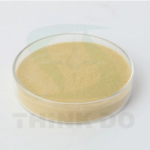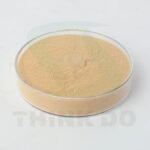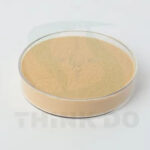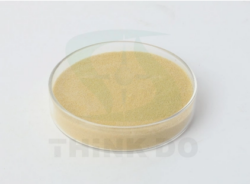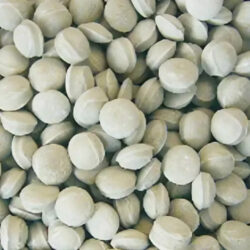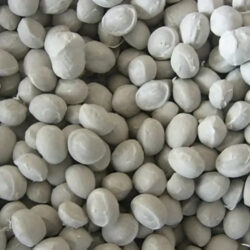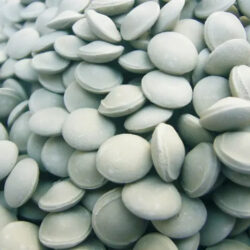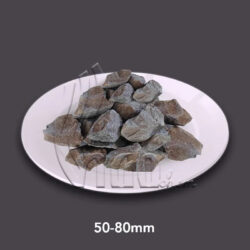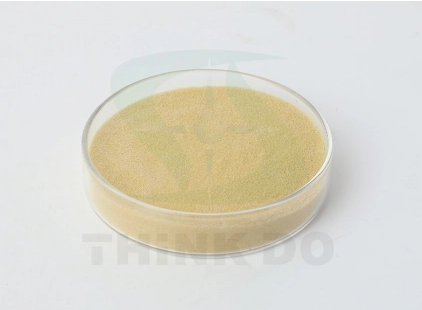
PASP Zn/Polyaspartic acid zinc
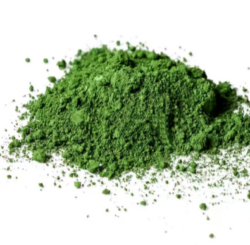
Zinc Polyaspartate is a high-efficiency fertilizer synergist widely used in polypeptide fertilizers, polypeptide water-soluble fertilizers, and plant growth-enhancing fertilizers. As an eco-friendly and biodegradable polymer, it significantly enhances the absorption and utilization of essential nutrients such as nitrogen, phosphorus, potassium, and trace elements, leading to increased crop yield and better fertilizer efficiency.
Application:
1) Chelating effect: The molecular structure of polyaspartic acid zinc contains multiple coordinating groups such as carboxyl and amino groups, which can form stable chelates with zinc ions. This chelating structure can protect zinc ions from being fixed or precipitated by other components in the soil, thereby improving the effectiveness and mobility of zinc ions in the soil, making them easier for plants to absorb and utilize.
2) Promoting plant absorption of zinc: As a fertilizer enhancer,Zinc of polyaspartic acid can significantly enhance plant absorption of zinc element. Zinc is one of the essential trace elements in the process of plant growth and development, participating in the synthesis and metabolism of various enzymes in the plant body. It has an important impact on physiological processes such as photosynthesis, respiration, and auxin synthesis in plants. Zinc polyaspartic acid, through chelation with zinc ions and its own biological activity, helps plant roots better absorb zinc elements, increases the content of zinc in the plant body, thereby enhancing plant stress resistance, promoting growth and development, and increasing yield.
3) Improving fertilizer utilization efficiency: It not only promotes the absorption of zinc, but also has a synergistic effect on other fertilizer nutrients. Polyaspartic acid zinc saltcan be combined with fertilizers containing large amounts of elements such as nitrogen, phosphorus, potassium, as well as other trace element fertilizers to reduce leaching, volatilization, and fixation of fertilizers in the soil, improve fertilizer utilization, and enable plants to more fully absorb and utilize various nutrients, thereby reducing fertilizer application, lowering agricultural production costs, and also mitigating environmental pollution caused by excessive fertilization.
Learn more about PASP-based materials here.