Understanding Deep Well Pump Types and Their Application Based on Depth and Flow Requirements
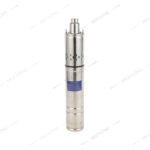
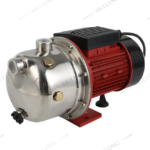
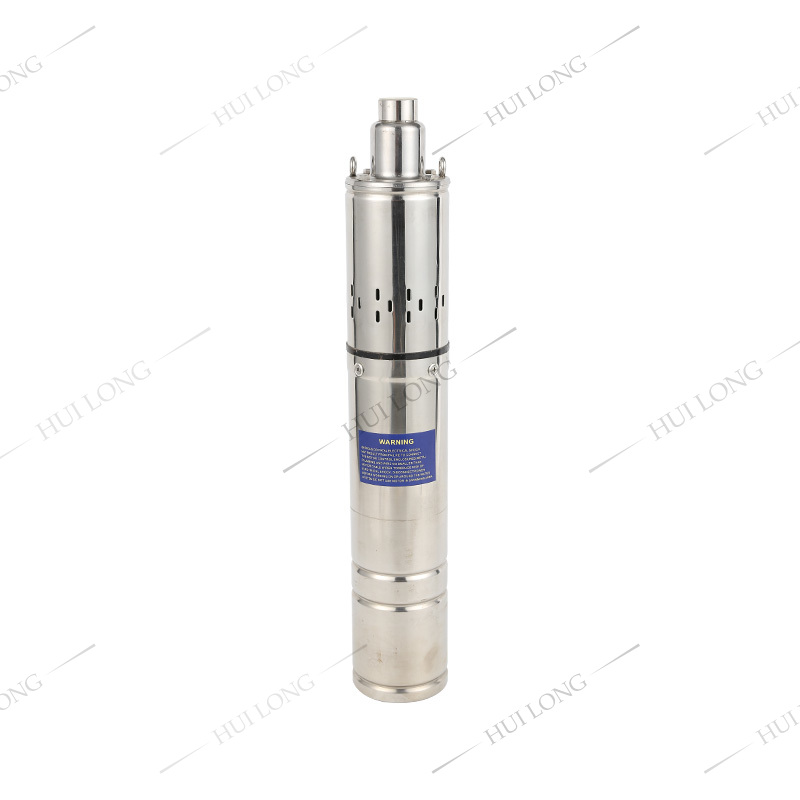
A Deep Well Pump is engineered to lift water from underground reservoirs, often several meters or even hundreds of meters below the surface. The choice between axial flow, mixed flow, and centrifugal pump designs depends on several factors, including the required flow rate, head (vertical lift), and the characteristics of the water source.
Axial flow Deep Well Pumps are designed for applications that demand high flow rates but relatively low to moderate heads. In these pumps, water flows parallel to the pump shaft, enabling large volumes of water to be moved efficiently. Because of their capacity for high flow and low head, axial flow pumps are ideal for shallow to medium-depth wells, typically up to around 20 to 30 meters. Their design minimizes energy consumption when moving large quantities of water at lower pressure.
Mixed flow Deep Well Pumps offer a balance between axial and centrifugal types. Water in these pumps moves partially parallel and partially perpendicular to the pump shaft. This hybrid design enables them to achieve moderate to high heads while maintaining good flow rates. Mixed flow pumps are suitable for wells with medium depths, generally ranging from 20 to 80 meters. Their versatility makes them a popular choice for agricultural irrigation and municipal water supply, where water demand fluctuates and both flow and pressure are critical.