What is the process for embryo transfer?
Congratulations! You’ve navigated the exciting, yet sometimes daunting, world of in vitro fertilization (IVF) and reached the embryo transfer stage. This is where science meets nature, as the carefully nurtured embryos get a chance to embark on their journey to becoming tiny humans. But what exactly happens during an embryo transfer? Let’s take a peek behind the curtain!
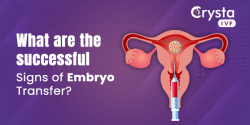
Picture yourself in a sci-fi movie scene, comfortably positioned on a gynecological exam table. A thin, flexible catheter, containing your precious embryos nestled in a nutrient solution, is gently guided through your cervix and into your uterus. Think of it as a VIP drop-off for your soon-to-be tenants! A trusty ultrasound wand, placed on your abdomen, helps visualize the perfect spot for embryo placement.
The entire embryo transfer process is usually a breeze, taking around 15–30 minutes. No anesthesia is typically required, although some women might opt for mild sedation for added comfort. After the transfer, you may need to take a short rest before resuming your day.
Now, while the waiting game after an embryo transfer can be nerve-wracking, it’s important to manage your expectations. Implantation, the process of the embryo attaching to the uterine lining, is delicate, and not all embryos successfully implant.
Here’s the thing: there aren’t any immediate “negative” signs after an embryo transfer. Some women might experience mild cramping or spotting, but these can also be signs of a successful implantation. The only definitive way to know if the transfer was successful is through a pregnancy test, usually conducted a few days after your expected period.
So, instead of dwelling on negative signs after embryo transfer, focus on self-care during this two-week wait. Eat healthy foods, get enough sleep, and try relaxation techniques to manage stress. If you have any concerning symptoms, like severe pain or heavy bleeding, it’s always best to consult your doctor.
Remember, knowledge is power! By understanding the embryo transfer process, you can approach this stage of IVF with more confidence. And who knows? Maybe those tiny VIPs will decide to make your uterus their new home!