How Long Until Hair Falls Out After Laser Hair Removal?
Laser hair removal has become one of the most popular methods for achieving long-lasting smooth skin. Known for its precision, speed, and effectiveness, it is a non-invasive treatment that targets hair follicles with concentrated beams of light. While it offers a quick solution for unwanted hair, many people wonder, “How long will it take for the hair to fall out after laser hair removal?” This guide will explore the timeline, what to expect, and factors influencing the shedding process.
Understanding Laser Hair Removal:
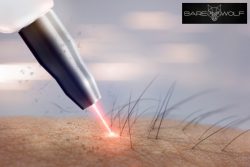
Laser Hair Removal Dubai works by targeting the pigment in hair follicles. The laser energy is absorbed by the pigment, which damages the follicle, preventing future hair growth. Since hair grows in cycles, laser hair removal is most effective during the anagen (growth) phase when the hair is actively growing and attached to the follicle. This is why multiple sessions are typically required for optimal results.
Hair Shedding After Laser Hair Removal: What to Expect:
After undergoing a session of laser hair removal, many people wonder how long it will take before the treated hair starts to fall out. Typically, the hair does not fall out immediately after the treatment, but a gradual shedding process takes place over a few days to weeks. Here’s what happens:
Immediate After the Session:
Right after a laser hair removal session, the treated area might feel warm, and there may be some redness, similar to a mild sunburn. While the laser works to disable hair follicles, the actual shedding process does not begin until later.
Hair Shedding Timeline:
Hair shedding begins to occur within 1 to 3 weeks following treatment. This delay is because the laser treatment works to damage the follicle, and the hair remains in place for a period before it is naturally pushed out. Most patients will notice that their hair begins to fall out about 10-14 days after treatment, though this can vary.
Week 1: Hair Begins to Loosen:
In the first week after treatment, the hair follicles that were treated with the laser are now damaged, and the hair starts to detach from the follicle. During this period, the hair may appear to be growing a bit longer or shedding in small amounts, but it’s actually just loosening from the root. It’s essential not to pull or tweeze the hair at this stage, as doing so can interfere with the natural shedding process.
Week 2-3: Increased Hair Shedding:
By the second to third week, the hair that was damaged by the laser will begin to fall out more noticeably. You might notice small amounts of hair in the treated area, especially when washing or brushing the skin. At this stage, the treated hairs are being expelled from the follicle, and this is when the shedding process is most visible.
Week 4 and Beyond: Gradual Shedding Continues:
In some cases, shedding may continue for up to 4 weeks. However, most of the visible hair removal will be completed within the first 3 weeks. Some hairs may remain temporarily or grow back slowly, but these hairs are usually finer and lighter than before. Over time, as additional treatments are conducted, the number of regrown hairs decreases.
Factors Affecting Hair Shedding After Laser Hair Removal:
Although the shedding process follows a general timeline, several factors can affect how quickly and efficiently hair falls out after a laser hair removal session:
Hair Color and Thickness:
The effectiveness of laser hair removal depends on the contrast between the hair color and the surrounding skin. Darker hair absorbs more laser energy, which is why people with darker hair typically see faster and more noticeable results. On the other hand, lighter hair, such as blonde or grey, may require more sessions to achieve the same results.
Skin Type and Tone:
Individuals with lighter skin and darker hair usually experience the best results from laser hair removal. Darker skin tones can sometimes affect the absorption of the laser, potentially causing the shedding process to take a bit longer. Technological advancements have led to lasers that are safe for darker skin tones, but results may vary.
Treatment Area:
The area being treated can also influence the speed of hair shedding. For instance, areas with finer hair (such as the upper lip or arms) may experience shedding more quickly compared to areas with thicker or denser hair, such as the legs or underarms. Different parts of the body may respond at slightly different rates.
Number of Sessions:
Typically, more than one session is required to achieve lasting results. The number of treatments you need will depend on factors like hair type, the area treated, and your personal response to the treatment. With each subsequent session, hair follicles become progressively weaker, and hair shedding becomes more noticeable after each treatment.
Why Doesn’t All Hair Fall Out Immediately?
The reason that hair doesn’t fall out right after a laser hair removal treatment lies in the hair growth cycle. Hair grows in phases, including the anagen (growth), catagen (transitional), and telogen (resting) phases. Laser Hair Removal in Dubai is most effective during the anagen phase when the hair is actively growing and connected to the follicle. However, not all hairs are in the anagen phase at the same time, meaning that some hairs will not be targeted by the laser during the session.
After the first treatment, you may still see some hair growing in the treated area. Over time, with multiple treatments, more hairs will be in the anagen phase, and the laser will target them, leading to greater hair removal and shedding.
Patience is Key:
Patience is an essential part of the laser hair removal process. The shedding process is gradual and can take a few weeks, but with each treatment, hair growth becomes thinner and more sparse. Most people will notice a significant reduction in hair after 3 to 6 sessions, but it’s important to follow through with the recommended number of sessions for the best results.
Conclusion:
Laser hair removal is a powerful and effective method for reducing unwanted hair. The shedding process begins within 1-3 weeks after treatment and can continue for several weeks. Understanding the timeline and factors that influence hair shedding can help set realistic expectations for the procedure. By being patient and adhering to your treatment plan, you will achieve smooth, long-lasting results with minimal maintenance.