When Should You Replace Your Windows and Doors?
Most people don’t think much about their windows and doors—until something goes wrong. Maybe there’s a draft that wasn’t there last year. Or you notice your energy bill creeping up even though your habits haven’t changed. The thing is, windows and doors don’t last forever. And knowing when to replace them can save you money, stress, and a whole lot of cold nights in the meantime.
So, when is it time to stop patching things up and just make the switch?
You Feel a Draft (Even When Everything’s Closed)
This one’s hard to ignore. If you can feel air coming in through a closed window or door, it’s a sign that the seals are worn out or the frame is starting to shift. A little bit of air might not seem like a big deal, but over time, it adds up—both in lost heat and rising energy costs. You shouldn’t need to put a towel against the bottom of your door just to stay warm in winter.
They’re Just Hard to Use
Windows and doors should open and close without a fight. If you find yourself yanking, slamming, or avoiding certain windows altogether because they stick every time, something’s off. Warped frames, rusted hardware, or simple age can all make them harder to use—and more likely to fail entirely when you least expect it.
Foggy Glass or Condensation Between Panes
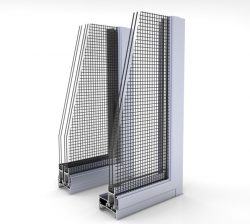
This one’s a little sneaky. If you’re seeing condensation inside the glass (not just on the surface), that usually means the seal on your double- or triple-pane window is shot. And when that seal breaks, the insulating gas that’s supposed to keep your home comfortable escapes. The result? Less efficiency, less visibility, and a clear sign it’s time for a replacement.
Energy Bills Keep Creeping Up
If your windows and doors are old or damaged, your HVAC system is likely working overtime to compensate. You’re paying more to heat and cool air that’s slowly leaking out. Upgrading to energy-efficient windows and doors—especially custom options with better insulation—can make a noticeable difference not just in comfort, but on your monthly bill, too.
Visible Damage (That’s Not Just Cosmetic)
Chipped frames, rotting wood, or cracked glass might seem like small issues, but they usually point to deeper problems. Water damage, structural movement, or prolonged wear can weaken your doors and windows in ways that aren’t always obvious right away. If the damage is more than just surface-level, repairs might only buy you time—not a real fix.
You’re Planning to Sell—or Just Want an Upgrade
Sometimes, it’s not about something being broken. Maybe you’re remodeling, or maybe you just want your home to feel a little more updated. Replacing windows and doors can seriously boost curb appeal. Clean lines, better natural light, modern functionality—they all help a home feel more polished, inside and out. And if you’re thinking about selling in the near future? Buyers definitely notice.
How Long Do They Last, Anyway?
There’s no one-size-fits-all answer, but generally speaking:
-
Vinyl windows last around 20–30 years
-
Wood windows need replacing every 15–20 years (depending on maintenance)
-
Exterior doors can last 20+ years, but weather and wear can shorten that
-
Seals, locks, and hinges tend to wear out faster than the frames themselves
If you’re nearing the end of that range—or you’ve inherited a home with older features—it might be time to at least start planning.


































![[SOLVED] Destiny 2 Voice Chat Not Working on Windows 10](https://socialsocial.social/btabcloud/uploads/2021/11/solveddestinyvoicechatnotworkingonwindows-1637044884lp48c-250x250.jpg)